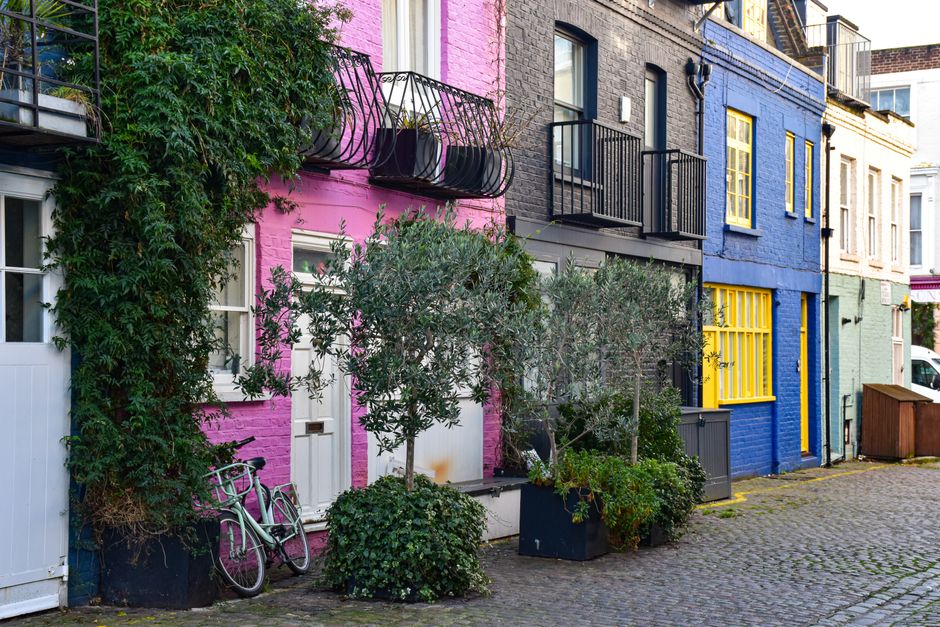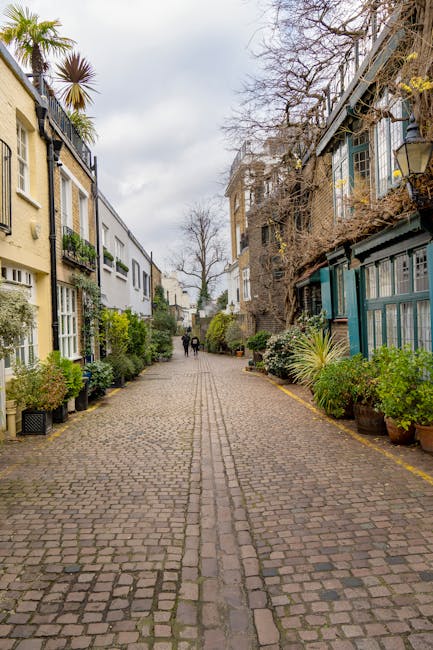
Fitzrovia gardeners access problems for mews courtyards: a practical guide for tight city gardens
If you manage a small courtyard off a mews in Fitzrovia, you already know the problem is rarely the planting itself. It is getting the gardener, the tools, the waste bags, and sometimes the most ordinary-looking wheelbarrow through a space that feels made for people, not work. Fitzrovia gardeners access problems for mews courtyards are more common than you might think, and they shape everything from timing and equipment choices to what kind of maintenance is actually realistic.
This guide breaks the issue down in plain English. You will learn what access challenges usually involve, why they matter, how professional gardeners work around them, and what to check before booking regular maintenance or a one-off clearance. If you have ever stood in a narrow passage at 8am wondering how on earth a hedge trimmer is meant to fit through there, you are in the right place.
- Why it matters
- How access planning works
- Key benefits and practical advantages
- Who this is for
- Step-by-step guidance
- Expert tips for better results
- Common mistakes to avoid
- Tools, resources and recommendations
- Law, compliance, standards and best practice
- Options, methods and comparison table
- Case study or real-world example
- Practical checklist
- Conclusion
- Frequently asked questions
Why Fitzrovia gardeners access problems for mews courtyards Matters
Mews courtyards in Fitzrovia tend to be compact, enclosed, and a bit awkward by design. That is part of their charm. The flip side is that routine garden work becomes much more sensitive to access. A task that would take an hour in an open suburban garden can take longer simply because the gardener has to carry materials by hand, work around parked cars, use quieter tools, or stage waste removals carefully.
Access matters for three big reasons. First, it affects efficiency. If tools and green waste need to be moved in small loads, the job takes longer. Second, it affects quality. A cramped route can limit equipment choice, which in turn changes the finish you can expect. Third, it affects risk. Tight spaces increase the chance of knocking walls, scratching paving, scuffing gates, or causing accidental trip hazards. Nobody wants that awkward conversation over a chipped coping stone.
There is also a practical comfort issue. Many mews courtyards sit close to homes, bedrooms, or workspaces. Noise, dust, and repeated movement through shared entries can be disruptive if the job is not planned properly. The best results usually come from gardeners who think ahead rather than trying to improvise on the day.
Expert summary: the access problem is not just about getting in and out. It influences scheduling, equipment, waste handling, neighbour relations, and how safely the work can be delivered. In a Fitzrovia setting, that is often the real job before the gardening starts.
How Fitzrovia gardeners access problems for mews courtyards Works
Professional gardeners usually handle difficult access by treating it as a planning problem, not a surprise. That may sound obvious, but you would be amazed how often access gets discovered halfway through the first visit. A good gardener will ask about gates, steps, narrow side passages, parking restrictions, building entry points, and where waste can be placed for collection.
In practical terms, the work often follows a few simple adjustments:
- Tool selection changes. Compact hedge trimmers, shorter-handled hand tools, lightweight blowers, and foldable equipment can be more suitable than large machines.
- Work is broken into smaller stages. Instead of bringing everything through at once, a gardener may stage tools and waste in phases.
- Waste handling is planned early. Green waste bags, tubs, or sacks may be better than bulky bins, especially where access to a vehicle is limited.
- Timing is adjusted. Early morning may suit a quiet task, while other jobs are better done at times that avoid neighbour disturbance.
- Surface protection is used. Boards, mats, or careful routing can help protect paving and shared walkways.
Sometimes the issue is not physical width alone. It can be a locked communal gate, a shared corridor with no storage area, a steep step down into the courtyard, or a route that gets busy with residents and deliveries. Let's face it, city access rarely fails in only one way. Usually it is a combination of three small annoyances that add up.
Good access planning also includes communication. If the gardener needs the gate unlocked, the courtyard cleared of furniture, or the building manager informed in advance, those details need to be settled before the visit starts. This is where a proper site note or pre-visit call pays for itself.
If the garden is being maintained regularly, it may be worth pairing access planning with an ongoing service schedule. That is often easier to manage through a broader garden maintenance arrangement rather than ad hoc visits, especially when the same route and restrictions apply each time.
Key Benefits and Practical Advantages
Once access is understood properly, a mews courtyard becomes much easier to look after. The gains are not dramatic in a flashy way, but they are very real. Fewer delays. Less mess. Less stress. Better-looking planting. And fewer moments where someone mutters, "I didn't think about that gate."
- Cleaner, safer work flow. Routes are planned, so tools and waste do not clutter a shared entrance.
- Less disruption to residents. A well-managed visit feels calm rather than intrusive.
- Better use of limited space. In narrow courtyards, every square metre matters, so maintenance has to be efficient.
- Improved plant health. When access is planned, pruning, watering, weeding, and feeding happen on schedule instead of being put off.
- Reduced chance of damage. Careful handling protects masonry, gates, decking, pots, and glazing.
- More predictable costs. Clearer access usually means clearer labour time, which helps with quoting.
There is also a subtle but important benefit: access planning makes it easier to choose the right service in the first place. For example, if waste removal is going to be a major part of the job, a garden clearance visit may be more sensible than a standard tidy-up. If the courtyard includes timber features or raised platforms, the conversation may naturally drift into decking services or light landscaping. The point is not to oversell. It is to match the work to the space.
Who This Is For and When It Makes Sense
This topic matters to a wide range of people, not just property owners. In Fitzrovia, mews courtyards may be managed by landlords, residents, letting agents, building managers, concierge teams, or simply the person who has somehow become the one who "deals with the garden." That role is familiar to more people than they admit.
You are likely to need this kind of access planning if you are:
- managing a private courtyard with a tight entry route
- maintaining a small communal outdoor area behind a terrace or mews building
- dealing with recurring overgrowth, leaf build-up, or waste accumulation
- planning hedge trimming, pruning, or lawn care where machine access is limited
- booking a one-off tidy-up after a long period of neglect
- coordinating works around residents, tenants, or neighbouring properties
It also makes sense when the garden is not really a "garden" in the suburban sense. Some courtyards are decorative. Some are storage-heavy. Some have a bit of both. A few even manage to be pleasant and impractical at the same time, which is classic London, really.
If your courtyard includes shrubs, climbers, or small trees that need regular attention, then access planning becomes part of the maintenance rhythm. In those cases, services such as hedge trimming, lawn mowing, or tree lopping and removal may all be relevant, but only if the site can support them safely and efficiently.
Step-by-Step Guidance
The simplest way to handle access issues is to treat the job like a mini project. Nothing grand. Just a clear sequence that avoids the common last-minute scramble.
- Map the entry route. Note every gate, stair, corridor, latch, and obstacle. If you have to turn sideways to carry bags through, mention it.
- Measure the narrowest points. Even rough dimensions help. A small difference in gate width can decide whether a machine is usable or not.
- Check surface conditions. Slippery paving, uneven stones, soft soil, or fragile decking all affect how work should be carried out.
- List the tasks clearly. Is it maintenance, clearance, pruning, planting, or a mixture? Access needs can change depending on the job.
- Decide where materials will go. Waste, compostable cuttings, new plants, and tools all need temporary staging space.
- Confirm timing and permissions. Who opens the gate? Who will be around? Are there quiet hours or resident concerns?
- Choose the right service format. A regular maintenance visit may suit ongoing needs, while a one-off clearance may be better for overgrown courtyards.
- Review the quote carefully. Make sure access limitations have been understood, so the price reflects reality rather than guesswork.
A useful habit is to walk the route yourself with a bag of rubbish or a watering can before the gardener arrives. If that sounds a bit odd, fair enough, but it is a very practical test. If the bag catches on the latch or the can sloshes into your shoes, the access is not straightforward.
For bigger changes to how a courtyard functions, you may also need a broader plan. That is where landscaping or landscape gardening can be useful, especially if the existing layout is actively making maintenance harder than it should be.
Expert Tips for Better Results
After enough tight-site work, a few patterns become obvious. The best courtyards are not necessarily the biggest or the prettiest. They are the ones where access is thought about early and kept simple.
- Keep the route clear before every visit. A chair moved three metres can make the difference between smooth access and an irritating delay.
- Use foldable or modular garden furniture if possible. It sounds like a small thing, but it helps a lot in narrow passages.
- Group tasks by access intensity. Heavy waste days and light touch-up visits should not always be treated the same way.
- Choose plants with the courtyard in mind. In hard-to-reach spaces, low-maintenance planting is usually smarter than delicate, high-input schemes.
- Ask for a short access note on the quote. It keeps everyone honest and reduces future confusion.
- Think about storage. If tools have to be brought in and out every time, ongoing maintenance gets slower. A secure storage point changes everything.
One thing people often miss is that access problems are seasonal too. In wet weather, a narrow courtyard can become a muddy bottleneck. In autumn, leaf fall can hide slippery spots. In summer, potted plants and watering cans multiply fast. The layout does not change, but the practical headache does.
If you are weighing up whether to prioritise maintenance or a redesign, it can help to read the company's broader approach to services overview and match the service to the actual constraint, not just the visible symptoms.
Common Mistakes to Avoid
Most access problems are not disasters. They are just poorly anticipated. A bit of advance thinking avoids a lot of fuss.
- Assuming the gardener will "just manage". That phrase usually means hidden delay or extra risk.
- Forgetting waste removal entirely. The work does not end when the plants are cut back.
- Booking the wrong type of service. A tidy-up is not the same as a clearance job, and a clearance job is not the same as ongoing maintenance.
- Ignoring shared access rules. In mews and courtyard settings, residents often share routes and quiet hours.
- Leaving fragile items in the work path. Pots, bikes, coir mats, and storage boxes tend to suffer first.
- Choosing equipment before checking access. That usually ends badly, or at least awkwardly.
A smaller but surprisingly common mistake is not mentioning access until the day of the visit. By then, the gardener is already on site, the timing is fixed, and everybody is trying to be polite while rearranging the plan. Better to be direct early. It saves face and, more importantly, saves time.
Another one: ignoring sustainability and disposal. In compact urban sites, green waste has to be handled thoughtfully. If you are planning a larger tidy-up, it may make sense to consider the team's recycling and sustainability approach as part of the job design, not as an afterthought.
Tools, Resources and Recommendations
Because you asked for practical guidance, here is the kind of toolkit that tends to work well in restricted-access courtyards. This is not about fancy kit. It is about the right kit.
| Access challenge | Helpful approach | Why it works |
|---|---|---|
| Narrow gate or passage | Compact hand tools and lightweight equipment | Easier to carry, less likely to knock walls or railings |
| Shared courtyard with residents | Clear timing and tidy staging areas | Reduces disruption and avoids blocked paths |
| Limited waste movement | Smaller bags, staged removals, early clearance planning | Prevents clutter building up during the job |
| Fragile paving or decking | Protective routing and careful loading | Lowers the risk of scratches, dents, and scuffs |
| Overgrown planting in tight corners | Selective pruning and phased maintenance | Controls growth without overloading the space |
For service-backed planning, it helps to understand how the provider handles trust and operations. A good place to start is usually the company's about us page, because it gives you a sense of how they work, and then their practical policies such as health and safety policy and insurance and safety. Those pages are not decoration. In a tight, shared environment, they matter.
For clients who like clarity up front, pricing and quotes can be especially helpful when access may affect labour time or vehicle access. And if you are dealing with a broader refresh, not just routine care, you may want to look at landscaping alongside maintenance so the space works better long term.
Law, Compliance, Standards, or Best Practice
In a London courtyard setting, compliance is usually less about one dramatic rule and more about many small duties done properly. There may be shared access arrangements, leasehold or freeholder requirements, neighbour considerations, building management instructions, and general health and safety expectations. The exact obligations depend on the property and the contract, so it is wise to be cautious rather than assume.
From a best-practice point of view, a gardener working in a confined mews courtyard should generally aim to:
- avoid obstructing emergency exits or shared pathways
- reduce trip hazards from hoses, bags, tools, and cuttings
- handle waste in a tidy, controlled manner
- respect quiet working times where residents may be affected
- use suitable equipment for the site conditions
- communicate clearly where access restrictions could affect the work
If there is any uncertainty around responsibilities, a clear written service agreement helps. That is where the company's terms and conditions can be useful, even if you are only booking a small job. It gives everyone a common understanding of scope, access, timing, and limits. Not glamorous, admittedly. Very useful, though.
For households or building managers concerned about how personal information is handled during bookings, the privacy policy and cookie policy are also worth reading. They are not directly about gardening access, but they support trust when you are dealing with a service provider online.
Options, Methods, or Comparison Table
Not every mews courtyard needs the same approach. Sometimes a light-touch visit is perfect. Sometimes the site needs a one-off reset, followed by a maintenance plan. Here is a simple comparison to help you think it through.
| Method | Best for | Pros | Watch-outs |
|---|---|---|---|
| Regular maintenance visits | Courtyards with stable access and ongoing planting care | Predictable, neat, easier to plan around residents | Can become repetitive if access is not properly documented |
| One-off clearance | Overgrown or neglected spaces | Fast reset, clears clutter, easier to start fresh | Waste volume and access constraints can be more demanding |
| Landscape adjustment | Courtyards that are awkward to maintain long term | Can reduce future access pressure and improve usability | Higher upfront planning, and sometimes more disruption during works |
| Selective planting redesign | Small spaces that need lower maintenance | Simplifies ongoing care, improves access flow | May take time to mature and settle in |
In many Fitzrovia courtyards, the sweet spot is a combination: a tidy-up, then a maintenance rhythm that respects the site's access limits. That keeps the place looking cared for without turning every visit into a logistical exercise.
Case Study or Real-World Example
Here is a realistic example drawn from the kind of situation people often face in mews properties. A small courtyard sat behind a row of homes off a narrow lane. The planting itself was fine, but the route in was awkward: one gate, a short stepped section, and not much room for staging tools. The owner wanted the space tidied, the shrubs reduced, and the paving cleared of leaf build-up.
At first glance, it looked like a simple morning job. In practice, the access changed the whole plan. Rather than bringing in larger machinery, the work was split into hand-tool stages. Green waste was bagged more often. The gate was kept clear. Cutting back was done in sections so cuttings did not pile up in the only usable corner. Nothing dramatic happened, which is exactly the point. The job felt controlled, and the courtyard was usable again without the usual "everyone squeeze past" chaos.
What made the difference? A short pre-visit review, a realistic service choice, and the decision not to force equipment into a space where it plainly did not belong. Sometimes good garden work is just good judgement. That is the boring truth, but a useful one.
The owner later moved the site onto a repeat maintenance cycle and requested a simpler planting structure near the narrowest point. That reduced friction next time. Less carrying, less clutter, more ease. A small change, but you can feel it every visit.
Practical Checklist
Use this checklist before booking a gardener for a Fitzrovia mews courtyard. It is simple, but it catches the usual traps.
- Have I checked the narrowest part of the access route?
- Are gates, keys, codes, or permissions confirmed in advance?
- Is there enough room for tools, cuttings, and temporary waste staging?
- Have I explained any shared access or neighbour concerns?
- Do I know whether the job is maintenance, clearance, pruning, or redesign?
- Is the courtyard safe to walk through in wet weather?
- Are there fragile surfaces that need protection?
- Have I asked about insurance and safety procedures?
- Is the pricing based on real access conditions rather than guesswork?
- Would a different service format be better for the space?
If you can tick most of those boxes, the visit is far more likely to run smoothly. If not, that is fine too. It just means a short planning conversation will save you a longer headache later.
Get a free quote today and see how much you can save.
Conclusion
Fitzrovia mews courtyards can be lovely spaces, but access makes or breaks them. When the route in is tight, shared, or fragile, the job is no longer just about gardening in the usual sense. It becomes about planning, sequencing, respect for the space, and choosing the right level of service for the site in front of you.
The good news is that access problems are very manageable when they are identified early. Clear communication, sensible equipment choices, and a realistic maintenance plan can turn a tricky courtyard into something calm and easy to live with. And honestly, that calm is worth a lot in a busy part of London.
So if your courtyard has been feeling more like a logistical puzzle than a garden, take heart. The solution is usually less about force and more about fit. Small space, smart approach. It really can be that straightforward.
Frequently Asked Questions
What makes mews courtyards difficult for gardeners?
Mews courtyards are often narrow, enclosed, and shared, which makes it harder to move tools, protect surfaces, and remove waste without disturbing residents or damaging the property.
Can gardeners still work in very tight Fitzrovia courtyards?
Yes, usually they can. The key is using the right equipment, planning the route properly, and adjusting the work method to suit the site. Sometimes the job is done in stages rather than all at once.
Do access problems increase gardening costs?
They can, because more time may be needed for carrying, staging, and waste handling. That said, a clear access plan often helps control costs by avoiding delays and rework.
What should I tell a gardener before they visit?
Tell them about gate widths, steps, shared entrances, parking issues, locking systems, waste removal limits, and any resident rules. The more practical detail you share, the better.
Is a one-off clearance better than regular maintenance for hard-access courtyards?
It depends on the condition of the space. A one-off clearance helps if the courtyard is overgrown or cluttered. Regular maintenance is usually better once the space is under control and access is understood.
What equipment is best for restricted access gardens?
Compact hand tools, lightweight cutting equipment, and foldable or easy-carry items are often best. Large machinery is not always suitable, especially where gates or corridors are tight.
How can I make access easier before a garden visit?
Clear furniture, unlock gates, move bins, and make a route available from the entry point to the work area. Even a small amount of preparation can save time and reduce disruption.
Should I worry about safety in shared courtyard spaces?
Yes, reasonably so. Shared areas can create trip hazards, noise issues, and coordination problems. Good gardeners will plan around these, but it helps if the site owner also flags anything unusual.
Can landscaping help solve access issues long term?
Often it can. Simpler layouts, lower-maintenance planting, and better-use pathways can make future visits much easier. In some courtyards, a small redesign makes a surprisingly big difference.
How do I know if my courtyard needs more than routine maintenance?
If the space is hard to move through, overgrown in key areas, or awkward every time a gardener visits, you may need a clearance, a layout change, or a maintenance plan designed around access constraints.
What documents or policies are worth checking before booking?
For trust and clarity, it can help to review the provider's terms, insurance and safety information, and service overview. These show how the work is handled and what the service covers.
Where should I start if I want help with a difficult-access courtyard?
Start with a short access description, a few photos if available, and a clear explanation of what you want done. From there, a good gardener can suggest the most practical approach without overcomplicating it.