Gardener Fitzrovia: Recycling and Sustainable Practices for Urban Gardens
At Gardener Fitzrovia we combine expert planting with an eco-friendly waste disposal area and a robust approach to creating a sustainable rubbish gardening area across Fitzrovia. Our Fitzrovia gardener teams focus on reducing landfill, diverting green waste, and reusing materials in ways that improve soil health and local biodiversity. This page outlines our targets, partnerships, local logistics, and practical steps that make our Fitzrovia gardening services a model for low-carbon, circular gardening in the city.
Our environmental target is clear: we aim to achieve a 70% recycling rate across all Gardener Fitzrovia operations by 2030. That recycling percentage target covers green waste, compostable material from garden clearances, reusable hard landscaping components, and sorted dry recycling (plastics, glass, paper, metals). To deliver this we prioritise source separation on-site, hourly tracking of loads, and regular audits so that progress toward the target is measurable and transparent.
Working with Borough Waste Systems
We align our waste sorting and disposal with borough guidance; Fitzrovia spans parts of Camden and Westminster, so our teams follow local approaches to waste separation. For example, where boroughs collect separate food and garden waste we ensure on-site bins match municipal categories so materials can be directed to council organics streams. Where mixed recycling systems are used we provide pre-sorted sacks and clear labelling to reduce contamination. These small operational choices help convert a garden clearance into usable compost, recycled timber, or reclaimed stone for reuse in future projects.
Local Transfer Stations and Logistics
Gardening Fitzrovia uses nearby transfer facilities and borough depots to keep journeys short and transfers efficient. We work with local transfer stations operated by Camden and Westminster councils and partner processing sites in North London to route separated materials to the right destination—composting centres for organics, recycling facilities for dry recyclables, and reuse hubs for salvageable hard landscaping materials. Short routing reduces emissions and speeds turnaround times for reclaimed materials to return to community projects.
Key logistics features include:
- Dedicated drop-off schedules at borough transfer stations to avoid peak traffic and reduce idling.
- Consolidated loads to minimise trips and increase vehicle utilisation.
- Segregated containers on-site so materials go straight to the correct transfer stream.
Our middle-phase operations emphasise circularity:  materials collected from garden clearances are assessed, sorted and, where viable, diverted to charitable reuse rather than disposed. This not only saves resources but supports local social value initiatives and reduces the carbon footprint of disposal options.
Charity Partnerships and Reuse Programmes
We partner with local charities and community organisations to give useful garden items a second life. Through collaborations with community reuse centres and charities such as Fareshare-style food redistribution (for leftover edible plants) and local furniture or tool charities, salvageable planters, soil conditioners and timber are repurposed into community allotments and training programmes. These partnerships form a key pillar of our sustainable rubbish gardening area strategy by turning waste into social value.
Practical on-site practices include sending bulky inert materials to reclamation yards, compostable matter to industrial composters or in-vessel sites, and small quantities of contaminated waste to specialist processors. We also run seasonal swap events and material exchanges that keep usable items circulating locally, reducing the need for new purchases and the environmental cost of supplying new goods.
Low-carbon fleet and last-mile delivery: our logistics are powered by low-emission vehicles and cycling solutions. We operate a fleet of electric vans and plug-in hybrid low-carbon vans, and where feasible we use cargo e-bikes for smaller trips within Fitzrovia to reduce emissions and congestion. These choices cut CO2 and improve air quality while keeping the frequent stop-start pattern of gardening work efficient.
Community engagement and training are central to maintaining a truly sustainable rubbish gardening area. We offer practical demonstrations for client teams and housing staff on waste separation in line with borough rules, how to compost on-site safely, and how to maintain reclaimed materials. While we do not provide formal guides here, our practical sessions help residents and on-site staff better understand the distinctions used by Camden and Westminster waste services and reduce contamination rates.
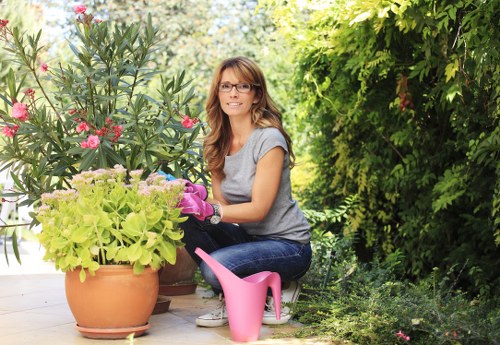
Monitoring and continuous improvement underpin everything we do. We record weights and destinations for every load, run quarterly recycling audits, and publish aggregate results internally to drive performance toward the 70% recycling percentage target. Where contamination or inefficiency appears, targeted interventions—such as additional on-site training, altered bin signage, or operational changes—are implemented to improve outcomes.
Conclusion: Gardener Fitzrovia and our Fitzrovia gardening services are committed to making every garden clearance and maintenance visit part of a circular, low-carbon system. Through strategic partnerships with borough transfer stations and charities, the use of electric and hybrid vehicles, and a clear recycling target, we deliver both beautiful green spaces and measurable environmental benefits. We prioritize reuse, composting, and careful separation so gardens give back to the community and the planet.